On an island, rosé season never ends
How rosé is made, why the color doesn't tell you if it's sweet, and three very different rosés: from the Pyrenees, the Andes and Napa.
In Europe, rosé is a summer wine: it’s poured from June to September and vanishes from the table in the fall. In Puerto Rico summer never leaves, and a well-chilled rosé makes as much sense on a Tuesday in November as on a Sunday in August.
How it’s made
A wine’s color lives in the grape skin, not the juice. Nearly all rosé is made from red grapes left in contact with their skins for just a few hours, enough to tint the juice pink. Then it’s fermented like a white, cool, to keep the fruit. Blending white and red wine is not allowed for still rosé in Europe (rosé Champagne is the exception).
Color doesn’t mean sweet
A pale rosé isn’t drier than a darker one. The color depends on the grape and how many hours the juice spent with the skins. What makes a wine sweet is the sugar left when fermentation ends, and almost all European rosés and good New World rosés are dry. If a rosé ever tasted sweet to you, it was probably an industrial “blush”, which is something else.
Three rosés, three landscapes
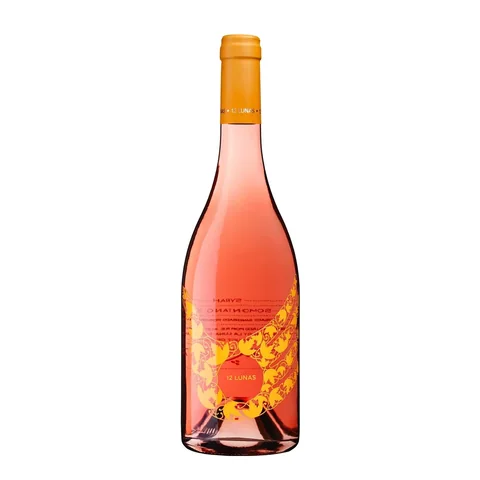
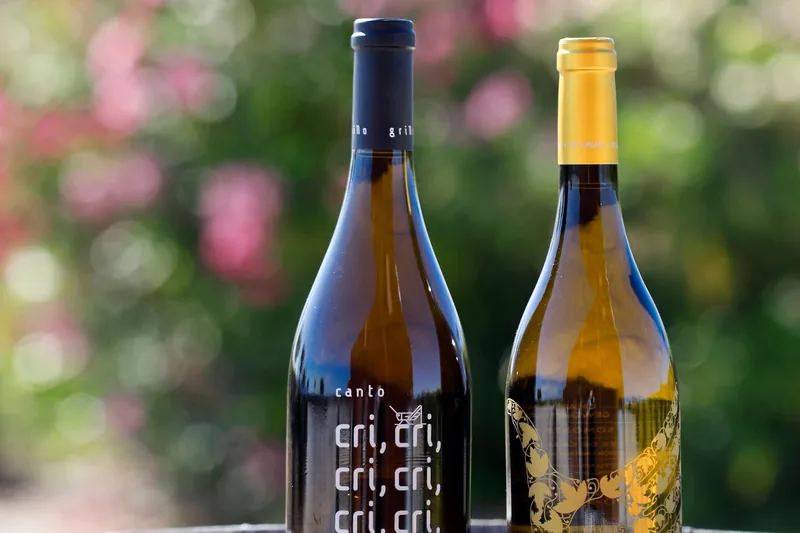
- 12 Lunas Rosado 2024, from El Grillo y La Luna in Somontano, at the foot of the Pyrenees. Raspberry, strawberry and citrus with a clean finish. The name comes from the twelve lunar cycles of the grower’s year.
- Livverá Sangiovese Rosé 2024, from Escala Humana in Mendoza’s Uco Valley. An Italian grape in the Andes, made without oak and with a light touch: cherry, red currant and lively acidity.
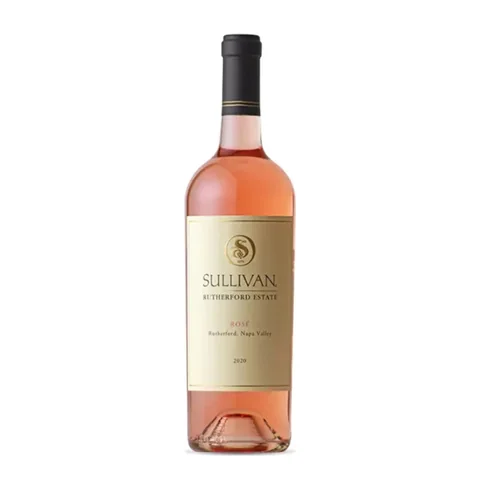
- Sullivan Rutherford Estate Rosé 2023, from a family estate in Rutherford, the heart of Napa, founded in 1972. Fresh red fruit, flowers and a dry finish.
What to drink it with
Rosé has the freshness of a white and a little of the fruit of a red, which makes it very versatile:
- Salads, cold pastas and tapas.
- Grilled salmon, tuna or chicken skewers.
- Asian food and dishes with a little heat.
- Pizza, yes. It works.
Serve it at 8 to 10 °C (46 to 50 °F) and drink it young: rosés are at their best the year after the harvest.