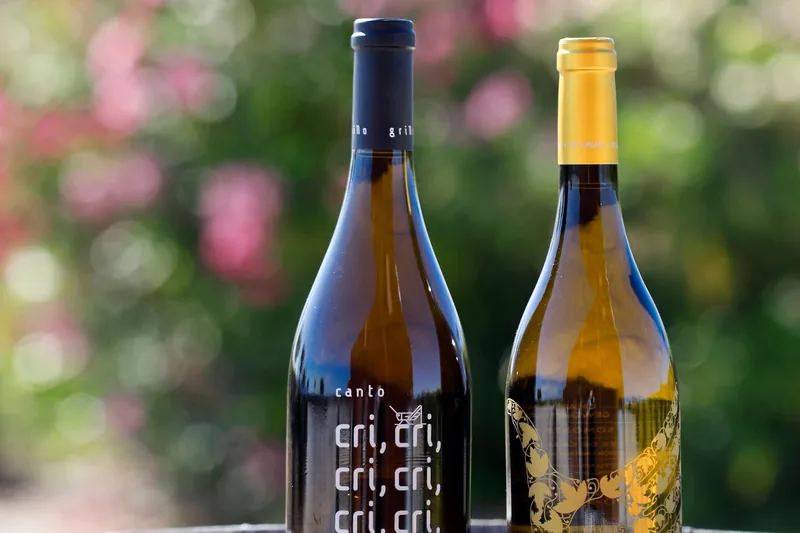
Galicia: white wines from the Atlantic
Rain, granite and sea: Spain's green corner makes some of the best whites for hot weather. Albariño, Godello, Treixadura and where each one grows.
Galicia doesn’t look like postcard Spain. It’s green, it rains a lot, and the Atlantic reaches into the land through the rías, long, calm arms of the sea. People eat octopus, shellfish and fish every day, and the wine made there has exactly what that food asks for: freshness, acidity and a salty edge.
Rías Baixas: home of Albariño
Rías Baixas sits on Galicia’s southern coast, right against Portugal. The vines grow on granite, many trained high on pergolas so the air moves through and the damp doesn’t rot the fruit. Almost everything planted is Albariño, a thick-skinned grape that makes wines smelling of peach, citrus and white flowers, with mouthwatering acidity.
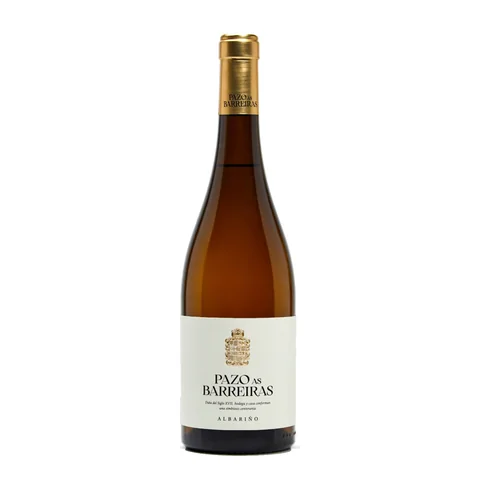
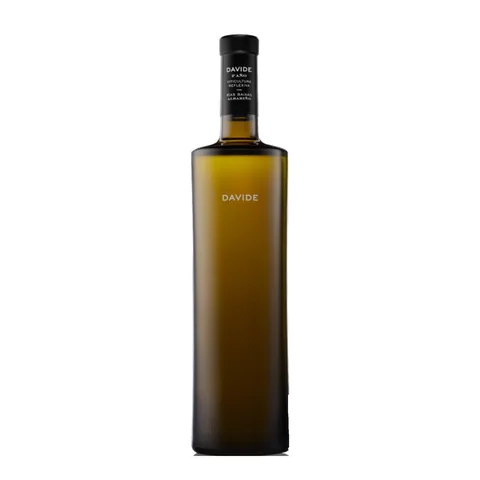
The Pazo As Barreiras Albariño 2025 is a good example: hand-picked, gently pressed and fermented in steel at 17 °C, with no malolactic fermentation to keep all the freshness. Apple, peach and citrus with a hint of hay and mint. Davide, also from Rías Baixas, is more mineral and deeper.
Ribeiro: the Miño valley
Inland, in Ourense, the Miño River and its tributaries form the Ribeiro. It’s warmer and drier than the coast, and the wines are usually blends of local grapes. The queen is Treixadura, aromatic and full; Albariño, Godello and other Galician grapes keep her company.
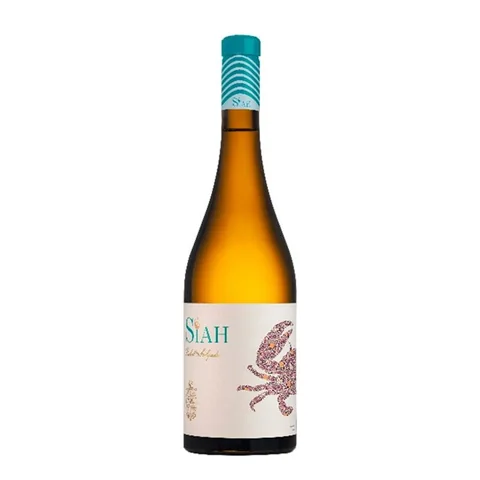
- Bodega Siah’s Siah 2023 brings the big three together: Treixadura, Albariño and Godello. Stone fruit, flowers and a very Galician saltiness.
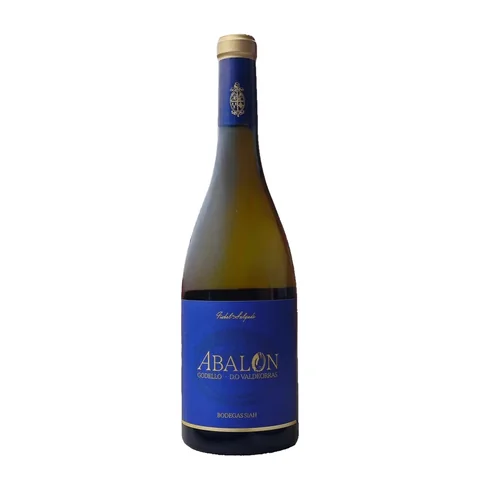
- The Abalón Godello 2024, from the same winery, shows Godello on its own: white peach, citrus and a mineral backbone.
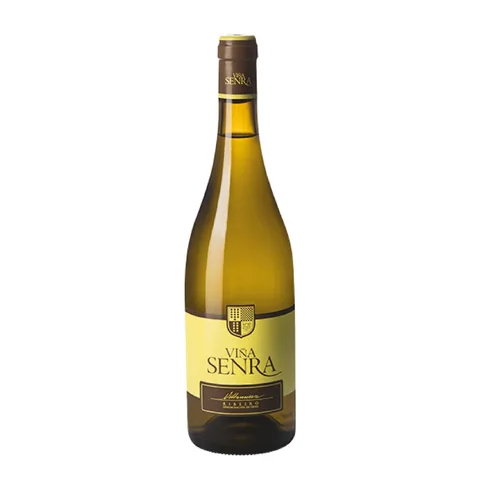
- Viña Senra is where the Villanueva family story begins. Obdulio Villanueva, a grower from Castrelo de Miño, sold his wine locally from the 1960s, and in 1983 launched Viña Senra as his first brand. The third generation runs it today.
Why they work here
Galician whites were made for eating by the sea, which is exactly what we do in Puerto Rico. Try them with:
- Pulpo a la gallega or octopus salad.
- Fried red snapper, grilled grouper or a bacalao serenata.
- Seafood rice or a shrimp asopao.
- Ceviche and oysters.
Serve them at 8 to 10 °C (46 to 50 °F). And don’t worry about cellaring them: these are wines to open this year, while the fruit is at its best.