Piedmont: Barolo, Barbaresco and everyday Barbera
In the Langhe hills, autumn fog gave the Nebbiolo grape its name. What separates Barolo from Barbaresco, and why Piedmont drinks Barbera on Tuesdays.
Piedmont lies in northwestern Italy at the foot of the Alps (that’s what its name means: “at the foot of the mountains”). South of the town of Alba, the Langhe hills are covered in vines as far as you can see, and in autumn they wake up under thick fog. From that fog, the nebbia, comes the name of the region’s most important grape: Nebbiolo.
Nebbiolo: pale but powerful
Nebbiolo is deceptive. In the glass it’s light in color, almost orange at the rim, and smells of roses, cherries, tar and dried herbs. But on the palate it has firm tannins and plenty of acidity. That’s why great Nebbiolo needs time in the cellar before release, and lasts for many years in bottle.
Barolo and Barbaresco
Both are 100% Nebbiolo and both are DOCG, Italy’s top tier. A few kilometres and a few rules separate them:
- Barolo, southwest of Alba, needs at least 38 months of aging (18 in wood). Riserva, 62 months. It’s usually more powerful and structured.
- Barbaresco, northeast of Alba, needs at least 26 months (9 in wood), and Riserva, 50. It’s usually a little finer and more perfumed.
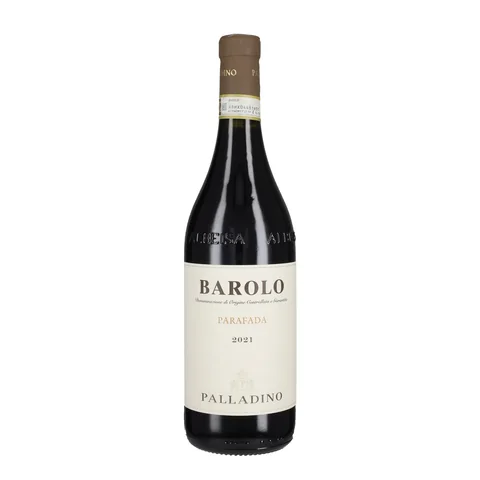
Palladino has made wine in Serralunga d’Alba, in the heart of Barolo, since 1974. Maurilio and Domenica run the winery with their children Veronica, Alessandro and Margherita, and farm about 11 hectares in vineyards such as Ornato, San Bernardo and Parafada. Their Barolo Parafada 2020 comes from the last of these.
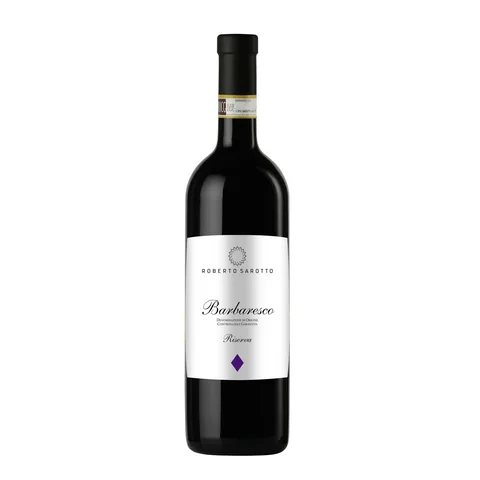
The Sarotto family came to Neviglie, in the Langhe, with Giuseppe Sarotto, born in Barbaresco in the late 1700s. Today Roberto Sarotto farms about 90 hectares across Piedmont. His Barbaresco Riserva 2020 is a wine for a long dinner.
Barbera: the house wine
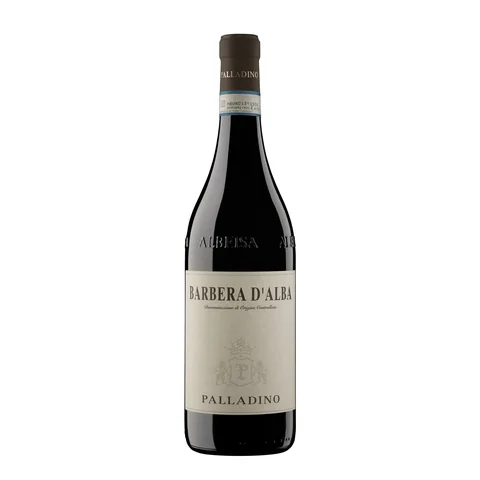
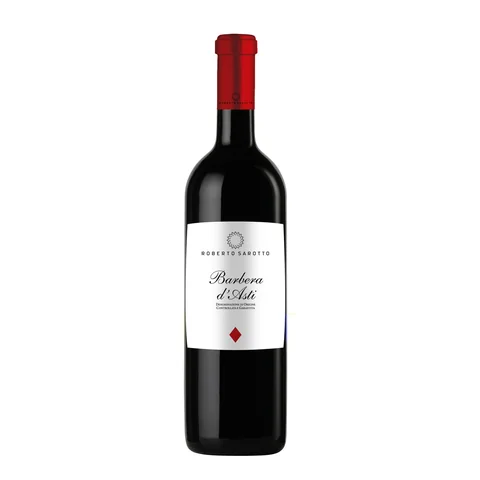
The Piedmontese save Barolo for Sundays and holidays. During the week they drink Barbera: a red with juicy red fruit, lots of acidity and soft tannins that goes with pasta, pizza, cured meats and almost anything. Try Palladino’s Barbera d’Alba and Sarotto’s Barbera d’Asti, two neighboring areas with slightly different styles. Serve them cool, at 14 °C (57 °F).
And a white
In southeastern Piedmont, near Liguria, Gavi is made from the Cortese grape. “Del Comune di Gavi” means the grapes come from the village of Gavi itself. Palladino’s Gavi is fresh, floral and mineral, ideal with fish and aperitifs.
What to eat
Barolo and Barbaresco want roast or braised meats, mushroom risotto, pasta with ragù and aged cheeses. If you have truffles, this is their wine. Open them an hour or two ahead, or decant them.