What does Brut Nature mean on a Cava?
Brut, Extra Brut, Brut Nature, Reserva, Gran Reserva: the words on a sparkling label tell you how dry it is and how long it waited in the cellar.
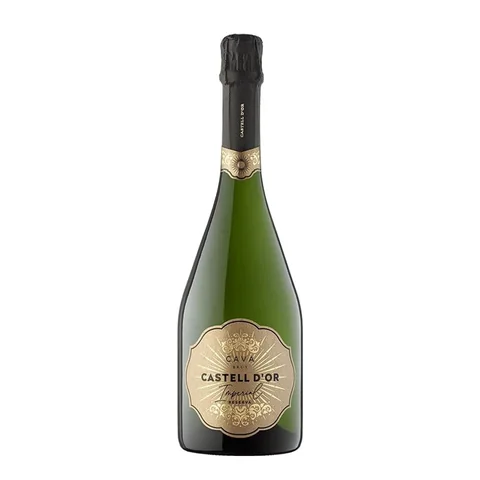
Cava is Spain’s traditional sparkling wine. Nearly all of it comes from the Penedès, near Barcelona, made from local grapes: Macabeo, Xarel·lo and Parellada. And it’s made the same way as Champagne: the base wine goes through a second fermentation inside the very bottle that reaches your table. That fermentation is what makes the bubbles.
How much sugar: Brut Nature, Extra Brut and Brut
When the wine finishes aging, the winery removes the sediment and tops up the bottle with a little wine, sometimes with sugar. That top-up decides the style:
- Brut Nature: no added sugar (up to 3 grams per litre, from the grapes themselves). The driest and purest.
- Extra Brut: up to 6 grams per litre.
- Brut: up to 12 grams per litre. The most common, dry but round.
- Seco, Semiseco and Dulce: sweeter and sweeter, for dessert.
A Brut Nature hides nothing: if the base wine is good, you taste it. That’s why wineries tend to keep it for their best Cavas.
How long: Reserva and Gran Reserva
While the wine rests in the bottle on its yeasts, it gains texture and aromas of toast, brioche and almond. Cava must spend at least 9 months this way. A Reserva spends at least 18 months, and a Gran Reserva at least 30. The longer the wait, the finer the bubbles and the more complex the wine.
What about Prosecco?
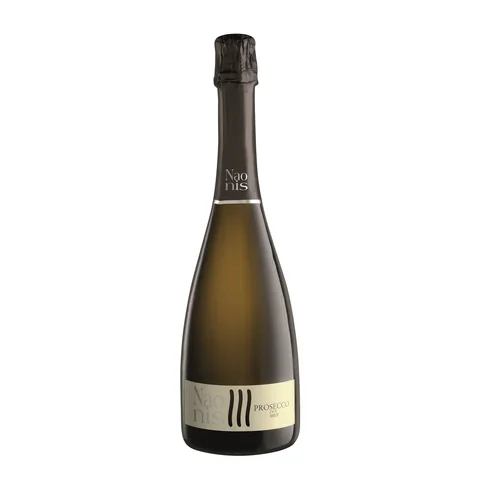
Prosecco, from northeastern Italy, is made differently: the second fermentation happens in large tanks, not in each bottle. The result is lighter and fruitier, with pear and floral aromas and bubbles that are lively rather than creamy. It’s perfect for an aperitif or a spritz. The Naonis Prosecco Brut comes from Friuli, one of the two regions where Prosecco is made.
What to drink it with
Acidity and bubbles cleanse the palate, which makes a Brut Nature one of the easiest wines to pair with island food. Try a Castell d’Or Brut Nature with:
- Bacalaítos, alcapurrias, sorullitos or anything fried.
- Ceviche, oysters, garlic shrimp or sushi.
- Serrano ham, Manchego and olives.
Serve it well chilled, 6 to 8 °C (43 to 46 °F), in a white wine glass: you’ll get more from it than from a flute.