How to read a wine label without being an expert
In Europe the label talks about the place; in the Americas, about the grape. A short guide to DO, DOCG, AOC, AVA, the vintage and the aging words.
Standing in front of a wine shelf, labels can look like code. They aren’t: almost all of them say the same five or six things, each country just orders them its own way.
The big difference: place or grape
New World labels (the US, Argentina, Chile, Australia) usually put the grape up front: Malbec, Pinot Noir, Cabernet Sauvignon. European labels put the place: Rioja, Barolo, Haut-Médoc, Brunello di Montalcino. The European idea is that the place already tells you the grape and the style. Barolo is always Nebbiolo; red Rioja is almost always Tempranillo.
The place codes
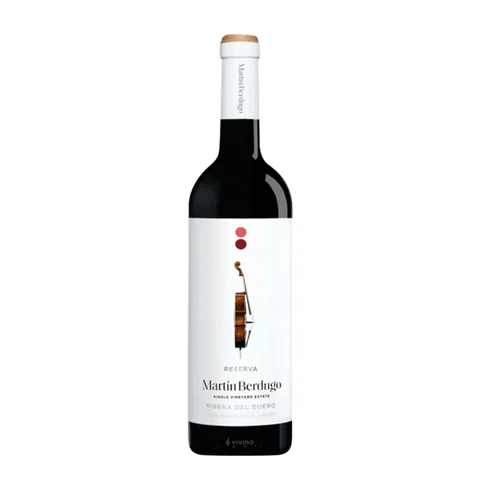
- Spain: DO and DOCa. Denominación de Origen. Rioja and Priorat are DOCa, the top tier.
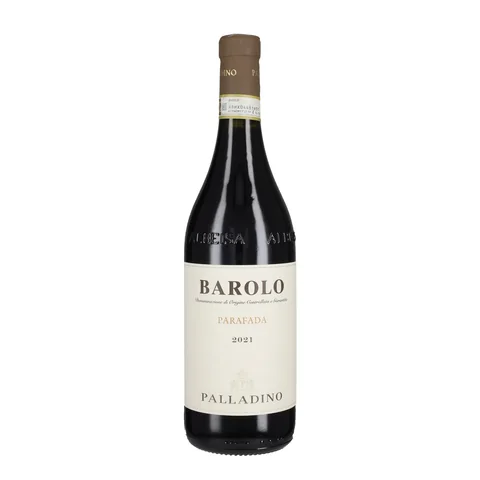
- Italy: DOC and DOCG. The G stands for “guaranteed”, the strictest tier: Barolo, Barbaresco, Brunello, Gavi.
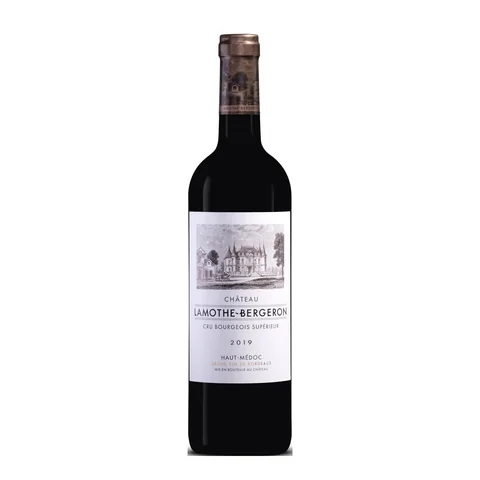
- France: AOC or AOP. Appellation d’Origine. Bordeaux, Haut-Médoc, Margaux.
- United States: AVA. American Viticultural Area. It defines the area but not the grape or the method: Napa Valley, Sta. Rita Hills, Willamette Valley.
- IGP or IGT: wines from a broad region with looser rules. Sometimes simple wines, sometimes producers who’d rather not follow the appellation’s rules.
The vintage
The year on the label is the harvest year, not the bottling year. It tells you two things: how young the wine is and, if you know the region, what the weather was like that year. A white or rosé from two harvests ago is probably better than one from five; a Barolo or a Bordeaux, the other way round. Some sparkling wines and blends carry no vintage (NV, “non vintage”) because they deliberately blend several harvests.
Aging words
In Spain, Joven, Crianza, Reserva and Gran Reserva mean minimum years of aging; we explain them in Rioja and Ribera del Duero. In Italy, Riserva also means more time in the cellar. In the US, “Reserve” has no legal definition: each winery uses it as it likes.
Everything else
- Château, Domaine, Bodega, Tenuta: the house that makes the wine.
- Alcohol: a hint at the body. A white at 11.5% will be light; a red at 15%, powerful.
- “Mis en bouteille au château”, “estate bottled”: the wine was bottled where it was made.
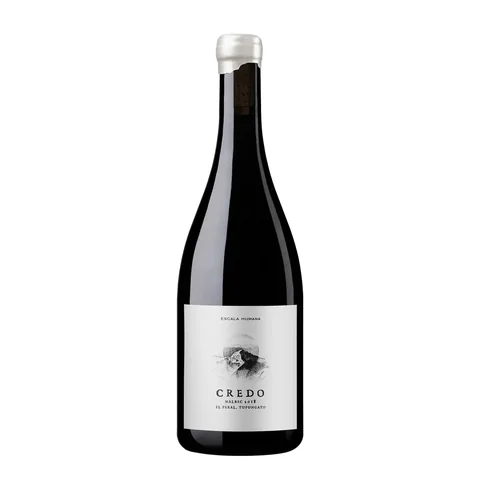
- Vineyard or plot name: “Parafada”, “El Peral”, “Parcela 100”. When it’s there, the grapes come from a single place.
An example: Barolo Parafada 2020. Barolo is the DOCG (so Nebbiolo), Parafada is the vineyard in Serralunga d’Alba, 2020 is the harvest and Palladino is the family that makes it.