Rioja and Ribera del Duero: two sides of Tempranillo
Same grape, two regions 150 kilometres apart and two different styles. What changes between them, and what Crianza, Reserva and Gran Reserva really mean.
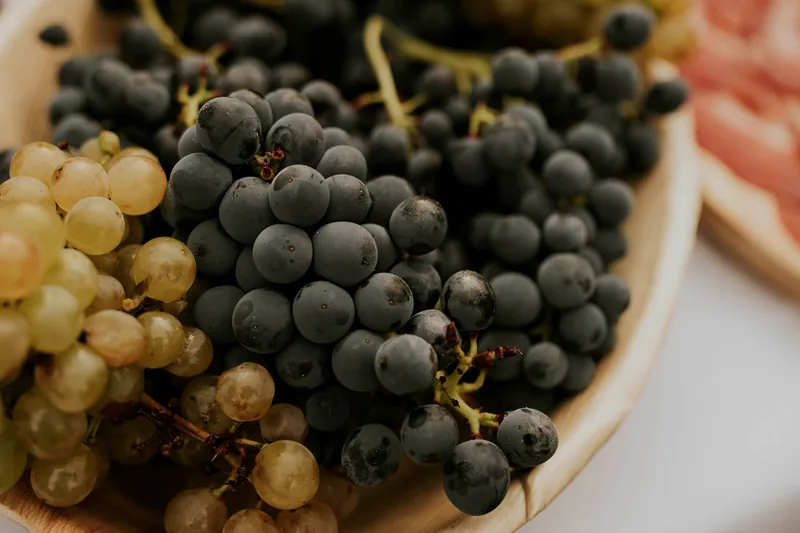
Order “a Rioja” in Puerto Rico and you’ll almost always get Tempranillo. Order “a Ribera” and you will too. Spain’s two most famous regions work with the same grape, but the wine from each has its own accent.
Rioja: the Ebro valley
Rioja follows the Ebro River in northern Spain, sheltered from the Atlantic by the Sierra de Cantabria. The climate is mild, and the wines tend toward elegance: red fruit, fresh acidity and, in the classic styles, vanilla, coconut and leather notes from the barrel. Traditionally Tempranillo is blended with a little Garnacha, Graciano or Mazuelo.
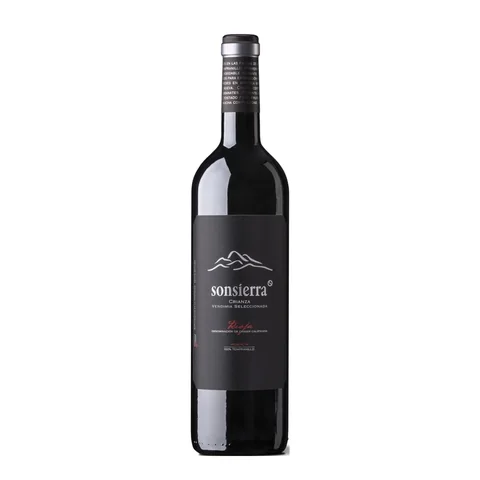
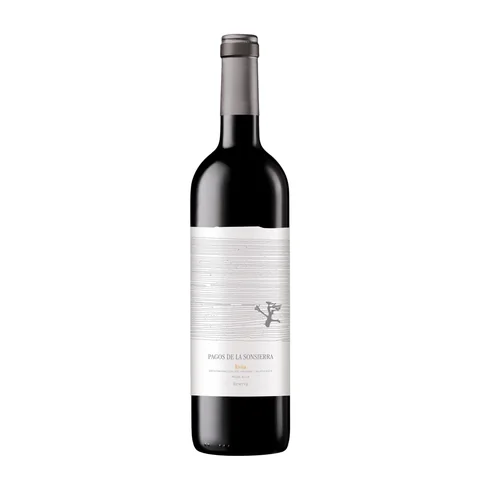
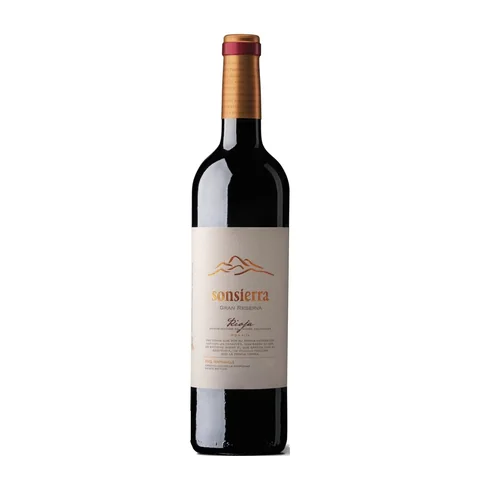
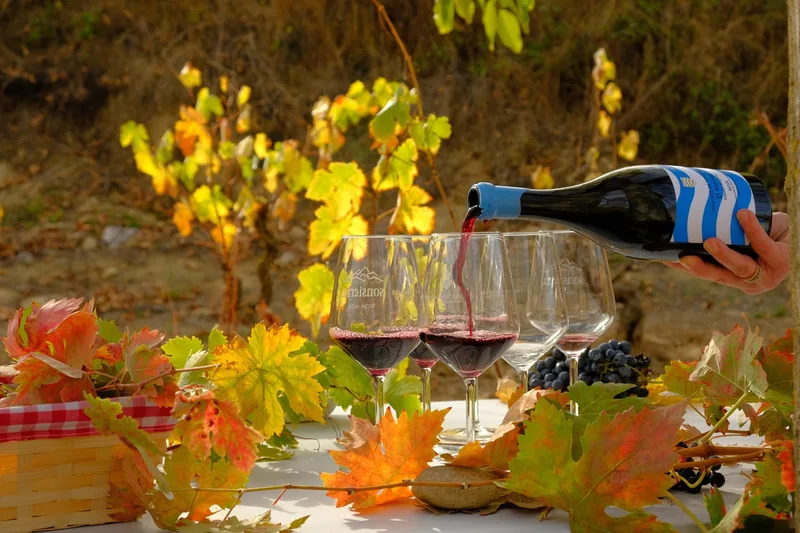
Within Rioja, the Sonsierra is a strip at the foot of the mountains in Rioja Alta, with high, old vineyards. That’s home to Bodegas Sonsierra, the growers’ cooperative of the village of San Vicente de la Sonsierra.
Ribera del Duero: the high plateau
Ribera del Duero lies further south and higher up, on the Castilian plateau between 750 and 1,000 metres above sea level. Summers are hot by day and cold at night, and winters are harsh. That swing between day and night gives thick-skinned grapes, deep color and firm tannins. There Tempranillo is called Tinto Fino, and the wines are usually darker, with black fruit and more structure.
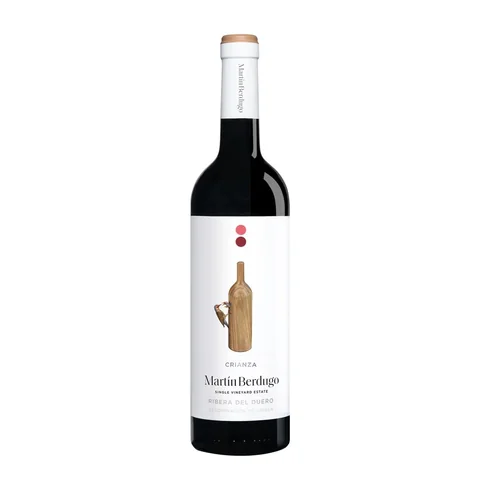
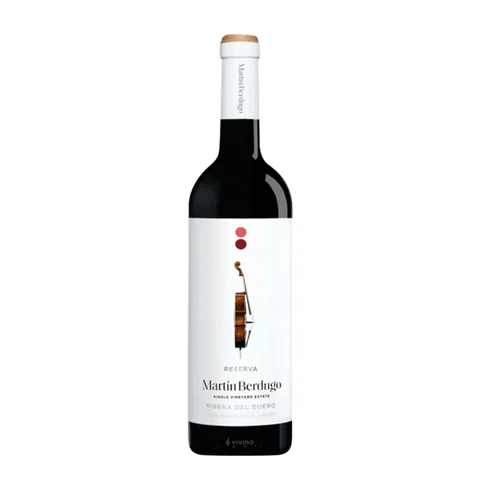
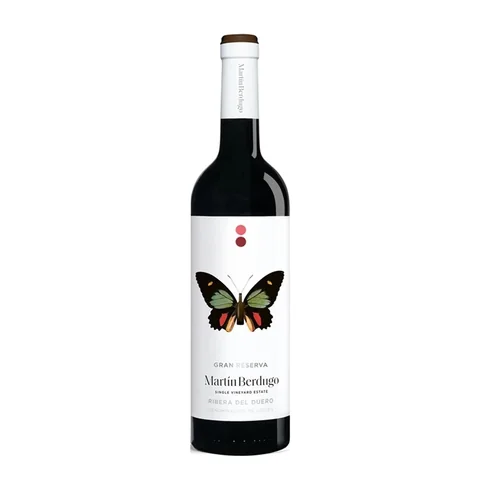
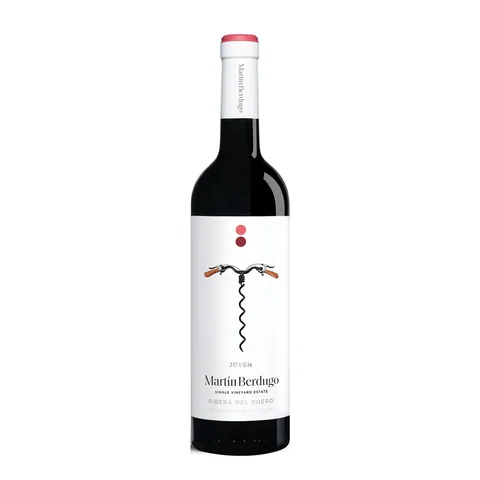
On the banks of the Duero at Aranda, the Martín Berdugo family farms a single 87-hectare estate.
The words on the label
In both regions the label tells you how long the wine aged before release. Roughly, the minimums for reds are:
- Joven: released early, with little or no oak. Fresh fruit, made to drink now.
- Crianza: two years of aging, at least one in barrel.
- Reserva: three years, at least one in barrel.
- Gran Reserva: five years, at least two in barrel. Made only in the best vintages.
More years doesn’t always mean better: it means a different style. A Joven is pure fruit; a Gran Reserva is about secondary notes, softer and more complex. Many wineries also make single-plot wines that skip these words even after long barrel aging.
How to taste the difference
Open a Crianza from each region on the same night. Try the Sonsierra Crianza 2020 beside the MB Crianza 2021: the Rioja shows cherry and vanilla with a lighter body; the Ribera, darker fruit and firmer tannin. To keep climbing, do the same with two Reservas or two Gran Reservas.
At the table: Crianzas go with almost anything, from arroz con pollo to a Manchego. Reservas and Gran Reservas want roast meat, lamb or a pernil.